- Type
- Historic centre
- Area
- Historic centre
- Free
- Yes
The historic centre is the starting point for any trip to Pirenópolis, a small colonial town in the state of Goiás, in central Brazil. According to the City Hall, this is where the gold-mining settlement of Minas de Nossa Senhora do Rosário de Meia Ponte was founded in 1727. The gold rush ended, but the street layout and many of the old houses survived — and today the whole ensemble is protected as national heritage.
The best way to explore it is on foot, without a rigid plan. Below are the spots worth the walk.
What to see
Rua Direita and the colonial houses
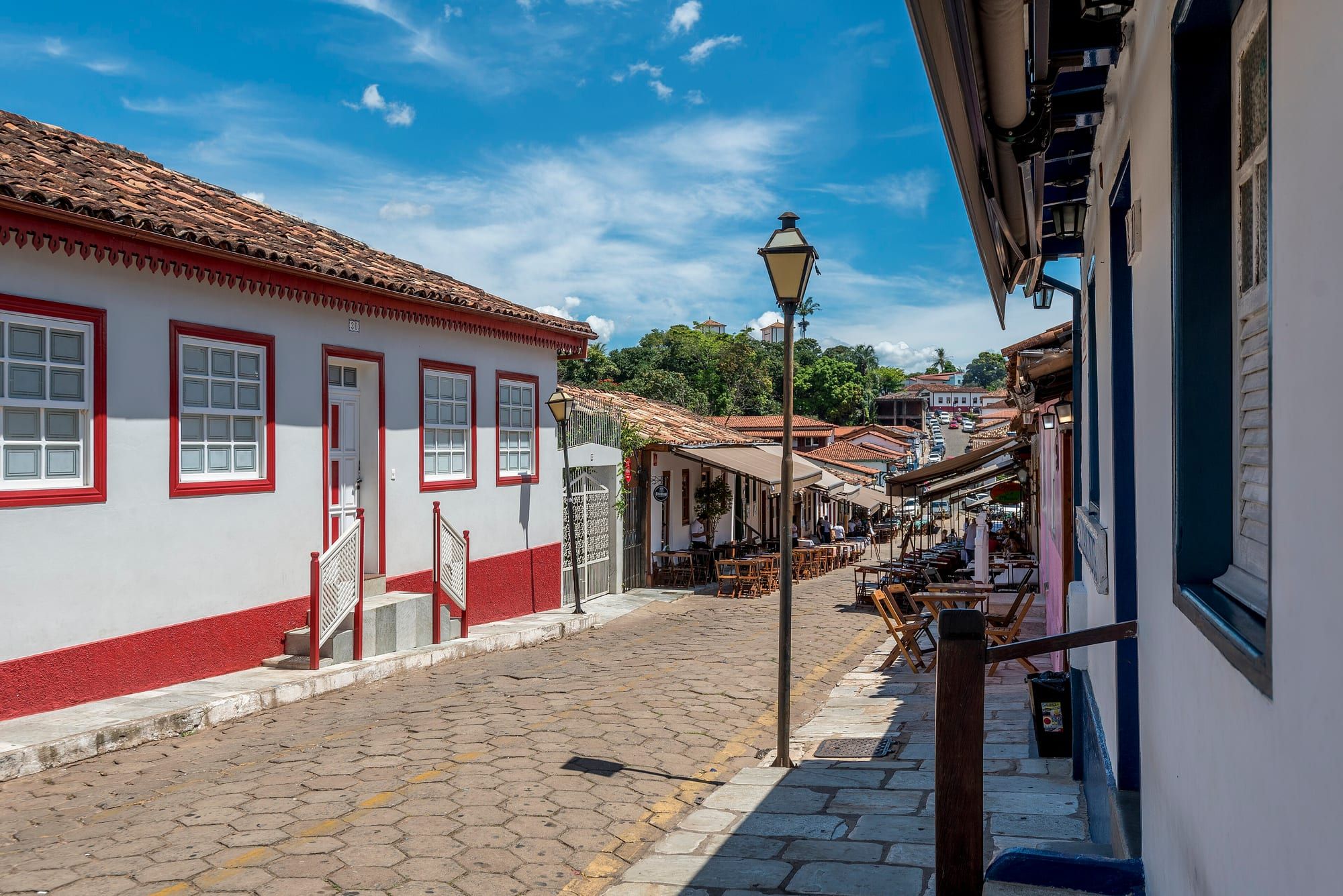
Rua Direita is one of the oldest streets in town and is lined with colonial mansions, many of them still family homes. Take your time looking at the façades, windows and wooden doors: this ensemble is what makes Pirenópolis one of the most important heritage towns in central Brazil.
18th-century churches
Three old churches make up the religious circuit of the centre:
- the Mother Church of Our Lady of the Rosary (Igreja Matriz de Nossa Senhora do Rosário), the oldest and most symbolic;
- the Church of Our Lady of Mount Carmel (Igreja de Nossa Senhora do Carmo), home to the Museum of Sacred Art;
- the Igreja de Nosso Senhor do Bonfim, up on the Bonfim hill.
Rua do Rosário, Rua Aurora and the “Rua do Lazer”
The town’s dining scene is concentrated on Rua do Rosário and Rua Aurora, an area known as Rua do Lazer (“Leisure Street”). It is quiet by day; at night, restaurants and bars spill out onto the pavements. See tips in where to eat in Pirenópolis.
Bridge over the Rio das Almas
According to the City Hall’s Tourism Portal, the current bridge was built in 1946 in the style of the old wooden one. Just below it there is a public river beach on the banks of the Rio das Almas, very popular on hot days. Next to the bridge is the Museu do Divino, in the old Casa de Câmara e Cadeia (former town council and jail).
Theatro de Pirenópolis and Cine Pireneus
The Theatro de Pirenópolis is a 19th-century building inside the protected area. Cine Pireneus was built in 1919 as a neoclassical theatre and remodelled in 1936 in Art Deco style to become a cinema, according to the Tourism Portal. Programming at both venues varies; check beforehand.
Feira das Artes
On Praça do Coreto (the bandstand square), the Feira das Artes (Arts Fair) brings together handicrafts, silver jewellery and sweets on weekends and public holidays, according to the City Hall’s Tourism Portal. It is a good place to discover local crafts — see also the shops and crafts section of the business directory.
How to fit it into your itinerary
| Time | Suggestion |
|---|---|
| Morning | Rua Direita, the Mother Church and the Rio das Almas bridge, with good light for photos |
| Afternoon | Carmo and Bonfim churches and the Museu do Divino, on the days they are open |
| Evening | Rua do Rosário and Rua Aurora for dinner; Feira das Artes on weekends |
In the 2-day itinerary, the centre takes up one afternoon and the evenings; the rest of the time goes to the waterfalls and the mountains.
A little history
The town was an important urban centre until the end of the 19th century. It then went through a period of relative isolation that helped preserve its old houses. In 1890 it changed its name from Meia Ponte to Pirenópolis, in honour of the Serra dos Pireneus mountain range. The first newspaper in Goiás, A Matutina Meiapontense (1830–1834), was also printed here. More details in history of Pirenópolis.
Before you go
Churches and museums have their own opening days and hours, and some charge a token entrance fee; checked prices are in Pirenópolis trip cost. On rainy days, the centre is the best alternative to the waterfalls — see Pirenópolis on rainy days.
Practical tips
- Wear closed shoes with good grip: the streets are paved with uneven stones and some are steep.
- Come early in the morning for photos without crowds, and return at night when Rua do Rosário comes alive.
- Churches and museums each have their own opening days and hours; check before planning your visit.
- The Tourist Information Centre (CAT) is on Rua do Bonfim and can give you up-to-date information.
Frequently asked questions
How long does it take to see the historic centre?
An unhurried walk, with stops for photos and visits to whichever churches are open, takes three to four hours. Many visitors come back every evening for dinner in the area.
Is the historic centre a protected heritage site?
Yes. Pirenópolis's architectural, urban, landscape and historic ensemble is protected by Iphan, Brazil's national heritage institute; the listing was approved in the late 1980s and formally registered in 1990.
Can I do everything on foot?
Yes. The centre is compact and easy to walk. You only need a car for the waterfalls, the mountains and rural attractions.
Combine with
-
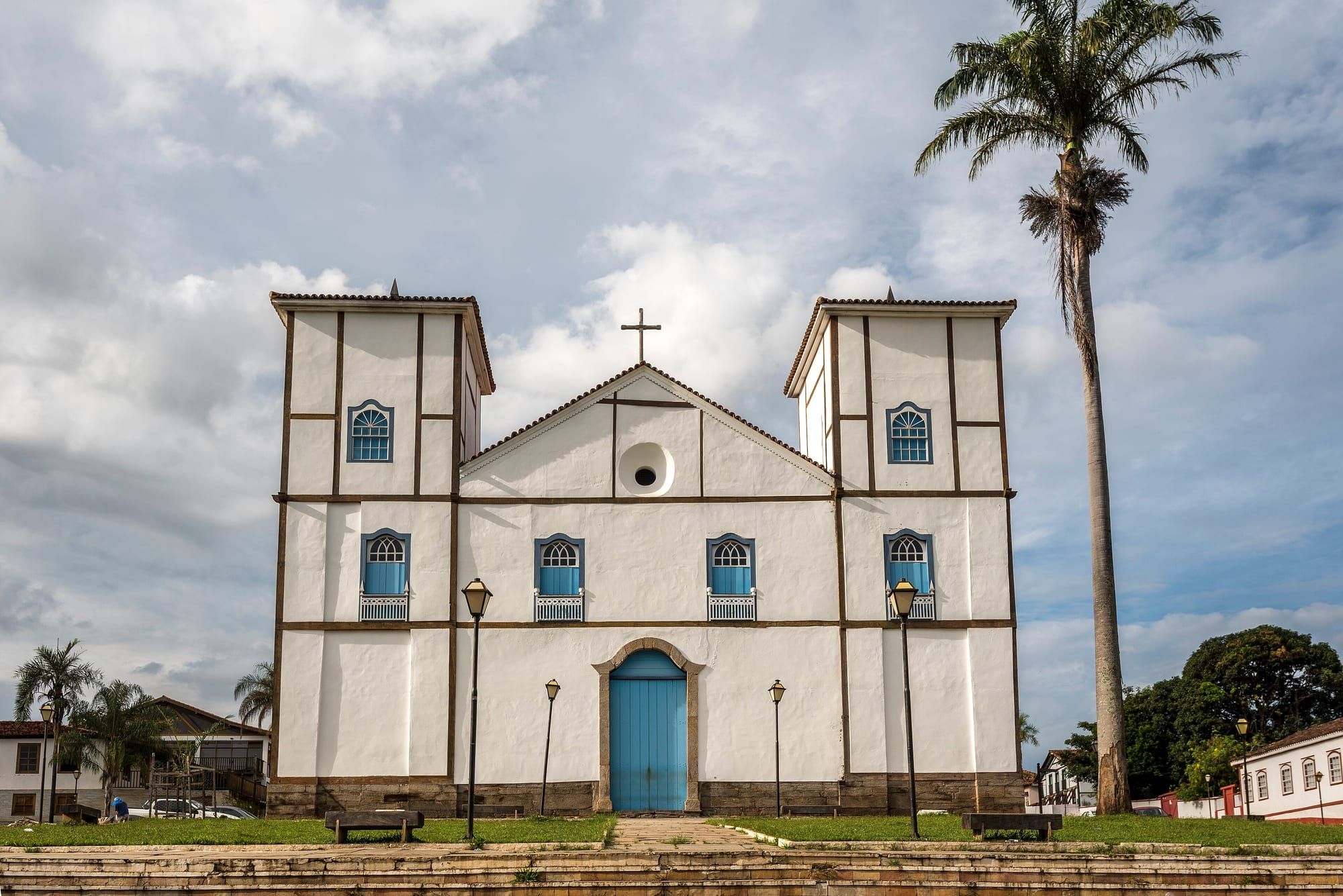 PaidIndoor Historic centre Mother Church of Our Lady of the Rosary (Igreja Matriz) Pirenópolis's main landmark: a church from the town's earliest days, listed by Iphan in 1941 and rebuilt after the 2002 fire. See details
-
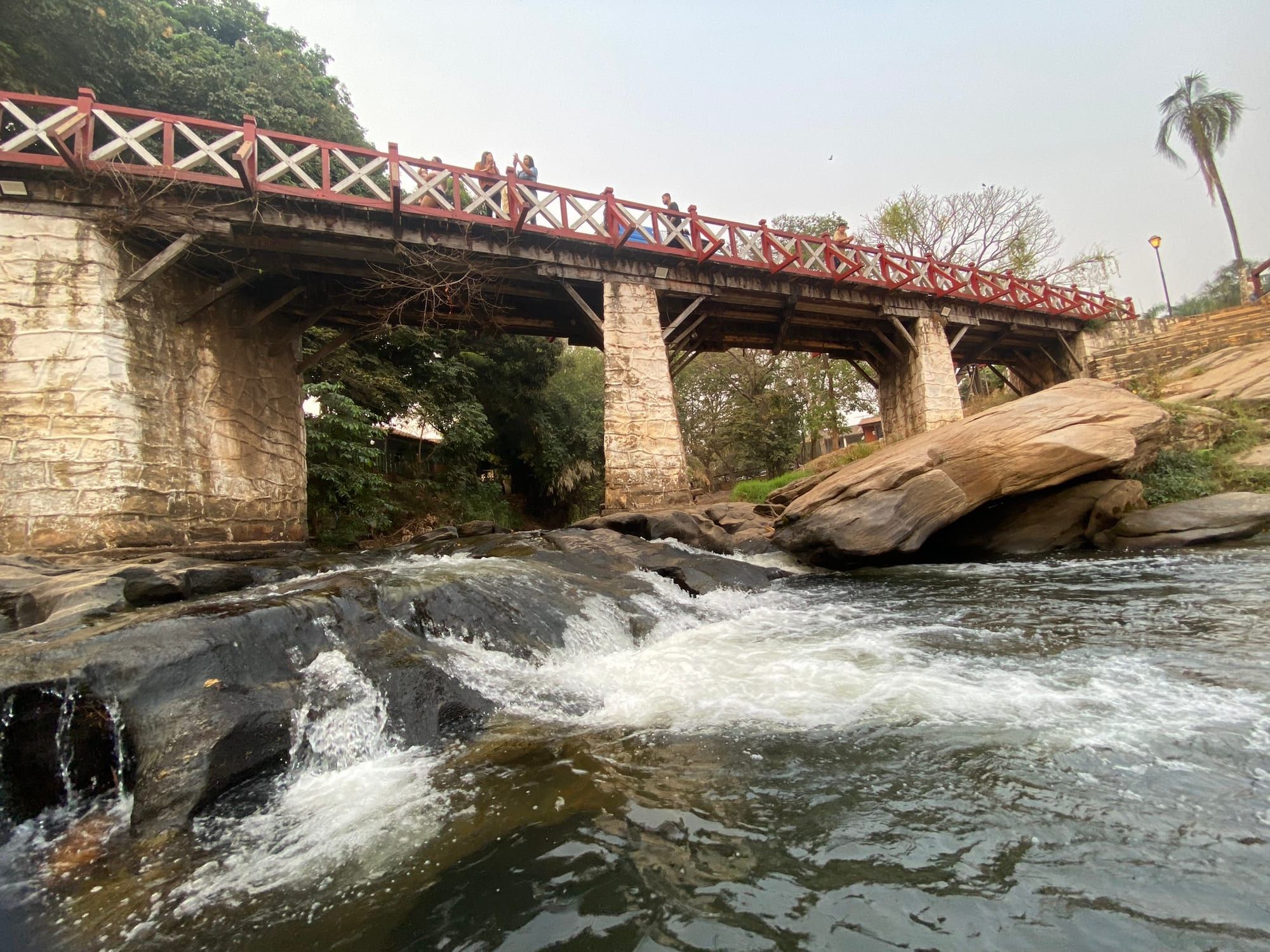 PaidIndoor Historic centre Museu do Divino (Casa de Câmara e Cadeia) In the old town council and jail building next to the Rio das Almas bridge, a museum devoted to the town's most famous festival. See details
-
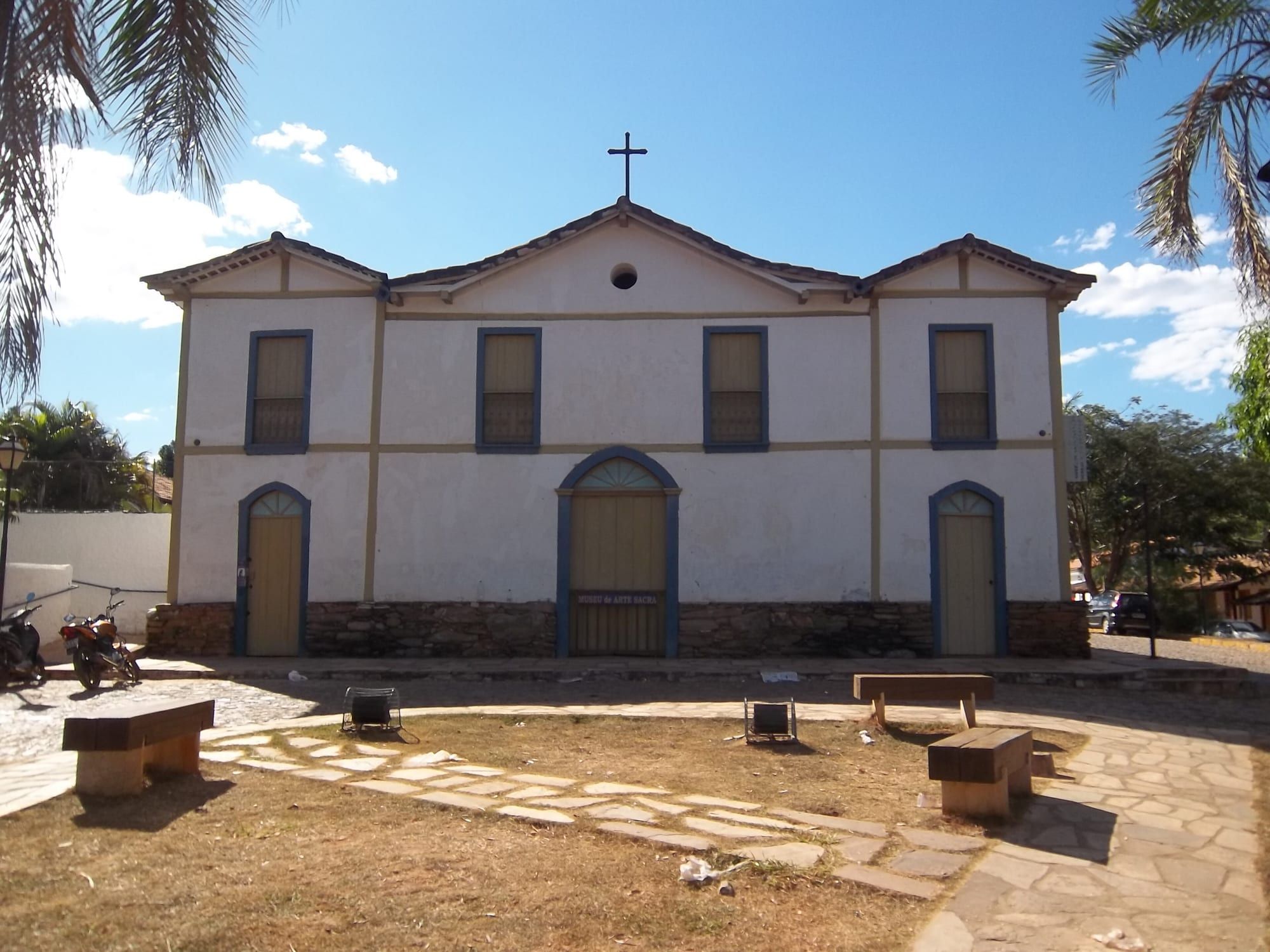 PaidIndoor Historic centre Church of Our Lady of Mount Carmel and Museum of Sacred Art An 18th-century church in the Carmo neighbourhood that houses the town's Museum of Sacred Art. See details