Plan
History of Pirenópolis: from Meia Ponte to 300 years
From a 1727 gold-mining camp to a listed historic centre that turns 300 in 2027.
Updated on October 4, 2026 ✓ Information checked on October 4, 2026 adapted from the Portuguese original
Walking through Pirenópolis means walking through almost three centuries of history. The street layout, the churches and the old mansions hold the memory of a gold-mining camp that became one of the most important towns in Goiás, a state in central Brazil — and that later became relatively isolated, which helped preserve its old character.
1727: the gold-mining camp
According to the City Hall, the town was born in 1727 as a mining settlement named Minas de Nossa Senhora do Rosário de Meia Ponte. The municipal Tourism Portal credits its founding to a group led by Manoel Rodrigues Tomás, linked to the expedition of the bandeirante (colonial explorer) Anhanguera, who were working the gold mines around the Rio das Almas.
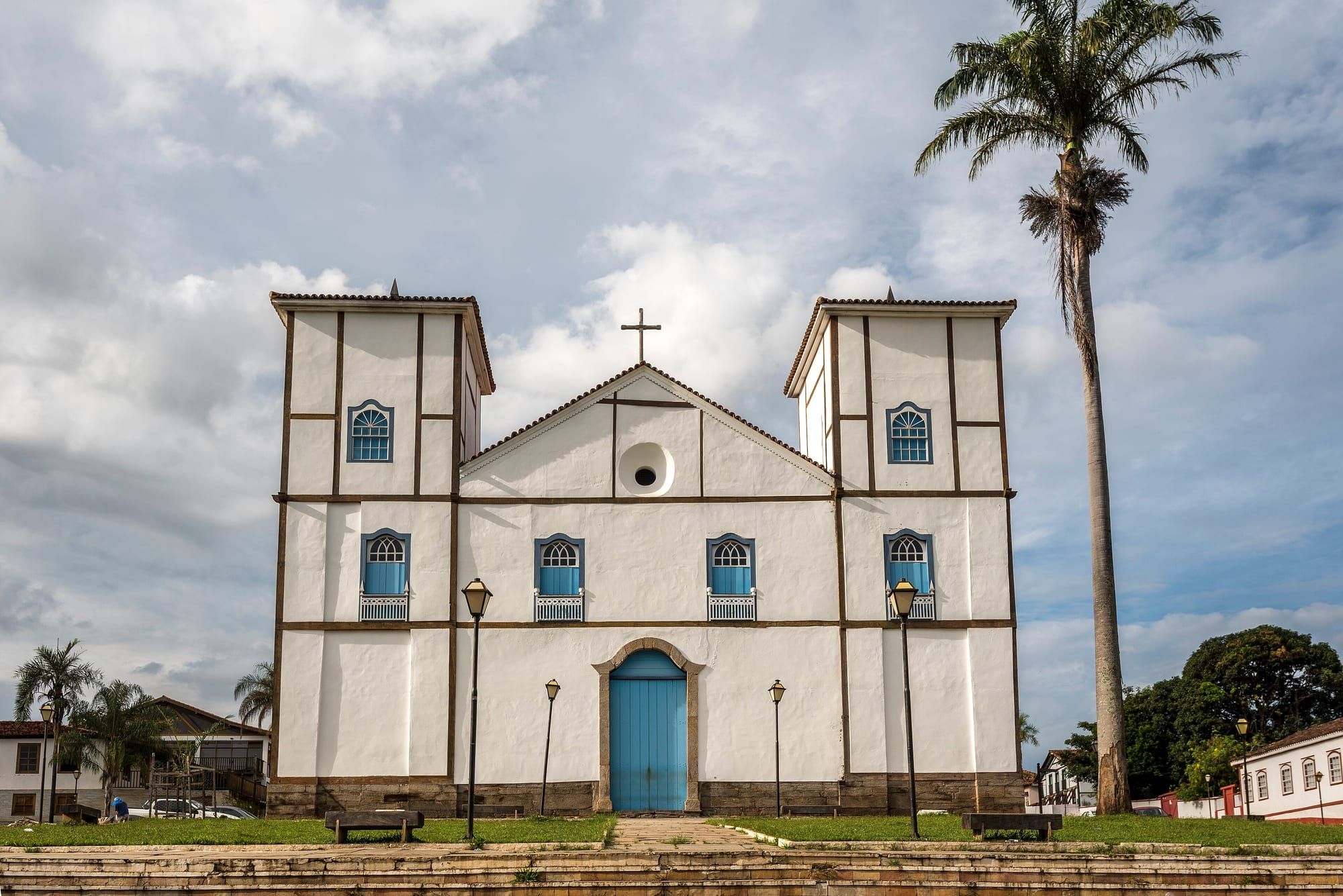
Construction of the Igreja Matriz de Nossa Senhora do Rosário (Mother Church of Our Lady of the Rosary) began a few years later, between 1728 and 1732 — the City Hall describes it as the first and largest religious building in the state. In the mid-18th century, the Carmo and Bonfim churches were also built (between 1750 and 1754, according to the official listings).
From district to town
The City Hall records the creation of the district by Royal Charter in 1754 and its elevation to town status by Provincial Law No. 3 of 1853. During this period, Meia Ponte was a hub of trade and culture on the route between the coast and the interior of Goiás.
A landmark of this era: between 1830 and 1834, A Matutina Meiapontense, the first printed newspaper in Goiás, circulated in the town.
1890: the name Pirenópolis is born
On 27 February 1890, a state decree changed the name from Meia Ponte to Pirenópolis, in honour of the Serra dos Pireneus, whose peak dominates the town’s horizon. Residents are called pirenopolinos.
The 20th century and preservation
With the end of the gold cycle and changing economic routes, the town went through a long period of relative isolation. This preserved its old houses and colonial layout — and, at the same time, kept traditions such as the Festa do Divino alive.
Some milestones in heritage protection:
| Year | Milestone |
|---|---|
| 1941 | Iphan lists the Igreja Matriz de Nossa Senhora do Rosário |
| 1989–1990 | Listing of the architectural, urban, landscape and historic ensemble (approved in 1989, registered in 1990) |
| 2002 | Fire at the Mother Church on 5 September; restoration from 2003 |
| 2010 | The Festa do Divino Espírito Santo de Pirenópolis is registered as Cultural Heritage of Brazil (Book of Celebrations) |
| 2025 | Iphan renews the Festa do Divino’s registration |
Learn more about the Mother Church in Mother Church of Our Lady of the Rosary and about the urban ensemble in historic centre.
Living traditions
The Festa do Divino Espírito Santo (Festival of the Divine Holy Spirit), with its folias (musical processions), Cavalhadas (mock horseback battles) and masked riders, has official records dating back to the early 19th century and is now Cultural Heritage of Brazil. The Festa do Morro, a pilgrimage to the Pico dos Pireneus, has been held since 1927 and was recognised as intangible heritage of the State of Goiás in 2024. See Festa do Divino and Festa do Morro.
Pirenópolis today
IBGE’s 2022 Census counted 26,690 inhabitants in a territory of about 2,200 km². Tourism — historical, cultural and nature-based — is one of the town’s hallmarks.
To see this history up close, start with the 2-day itinerary.
Frequently asked questions
When was Pirenópolis founded?
In 1727, as a gold-mining settlement called Minas de Nossa Senhora do Rosário de Meia Ponte, according to the City Hall. The town turns 300 on 7 October 2027.
Why is the town called Pirenópolis?
The name was adopted in 1890, by state decree, in honour of the Serra dos Pireneus, the mountain range that dominates the region's landscape.
Is the historic centre a listed heritage site?
Yes. The architectural, urban, landscape and historic ensemble is protected by Iphan, Brazil's national heritage institute; the listing was approved in 1989 and formally registered in 1990. The Mother Church had already been listed since 1941.
Keep reading
Keep planning
-
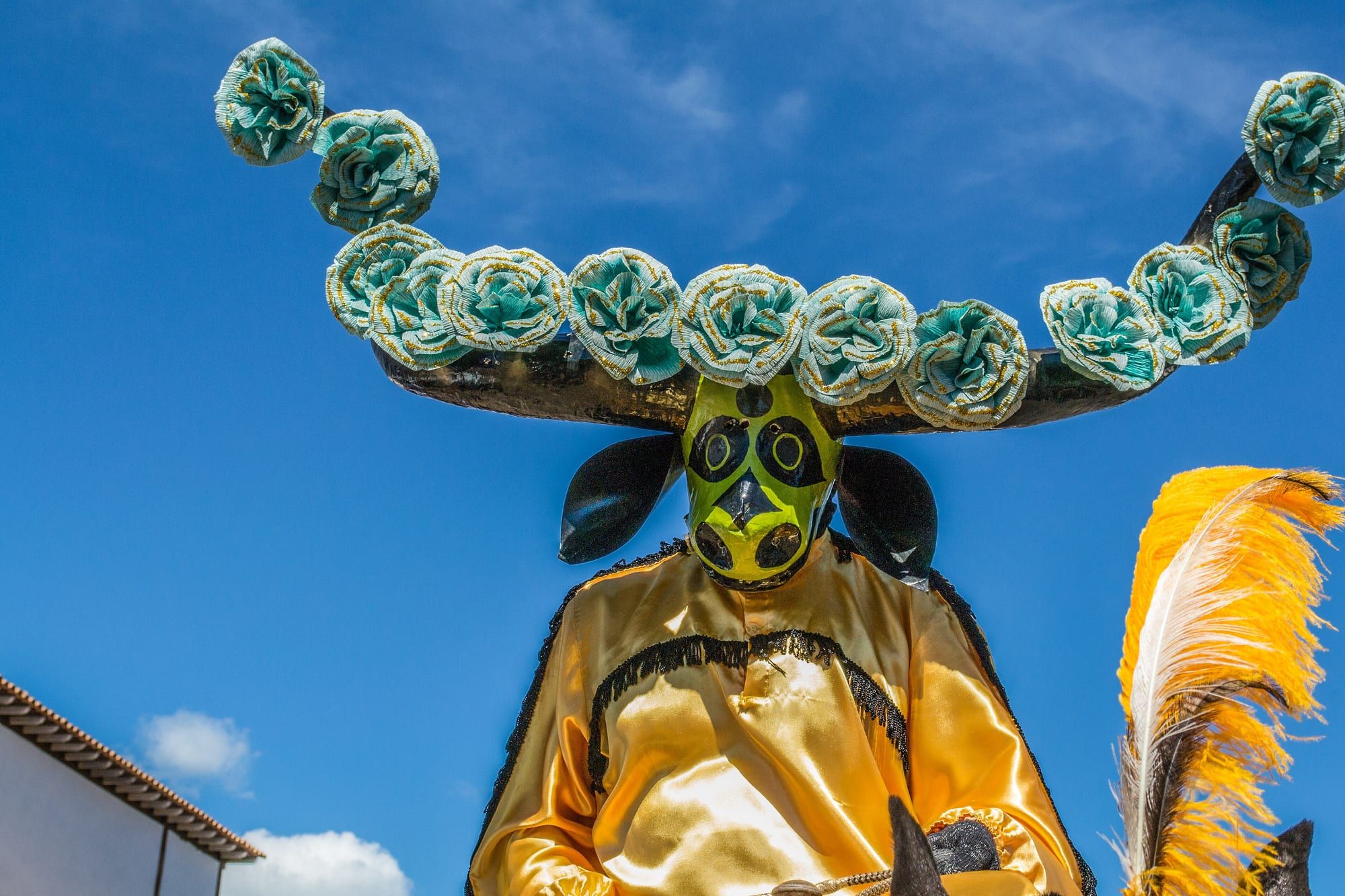 Festa do Divino in Pirenópolis: how it works and how to join in Cultural Heritage of Brazil since 2010, the festival transforms the town around Pentecost Sunday. Read guide
-
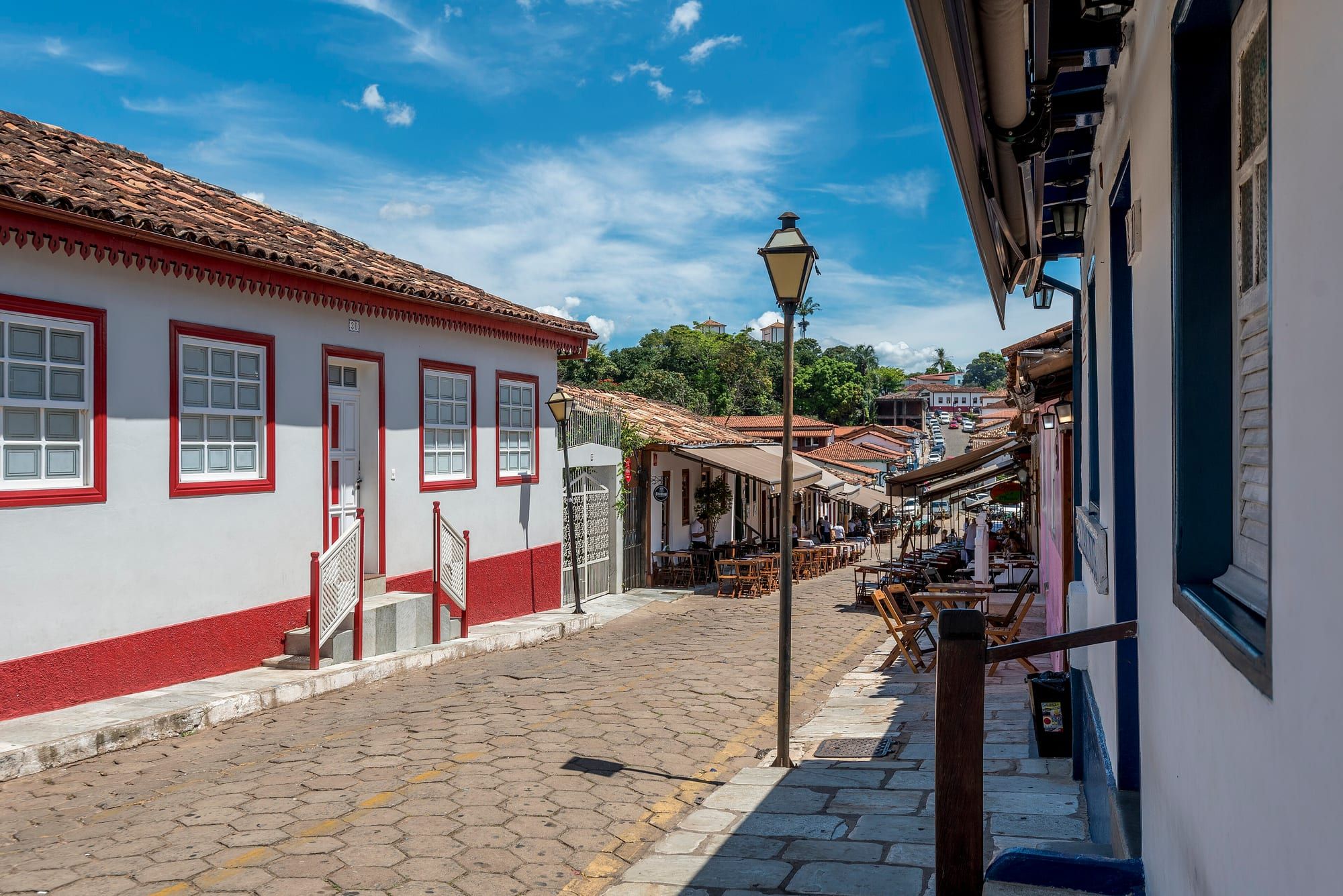 Things to do in Pirenópolis: historic centre, waterfalls and mountains The main sights of Pirenópolis, from the walkable historic centre to the waterfalls and the Serra dos Pireneus. Read guide
- Events in Pirenópolis: festivals, celebrations and calendar The festivals that bring Pirenópolis to life throughout the year, with dates published only when there is an official source. Read guide