- Type
- Historic church
- Area
- Historic centre
- Free
- No
- Indoor option
- Yes
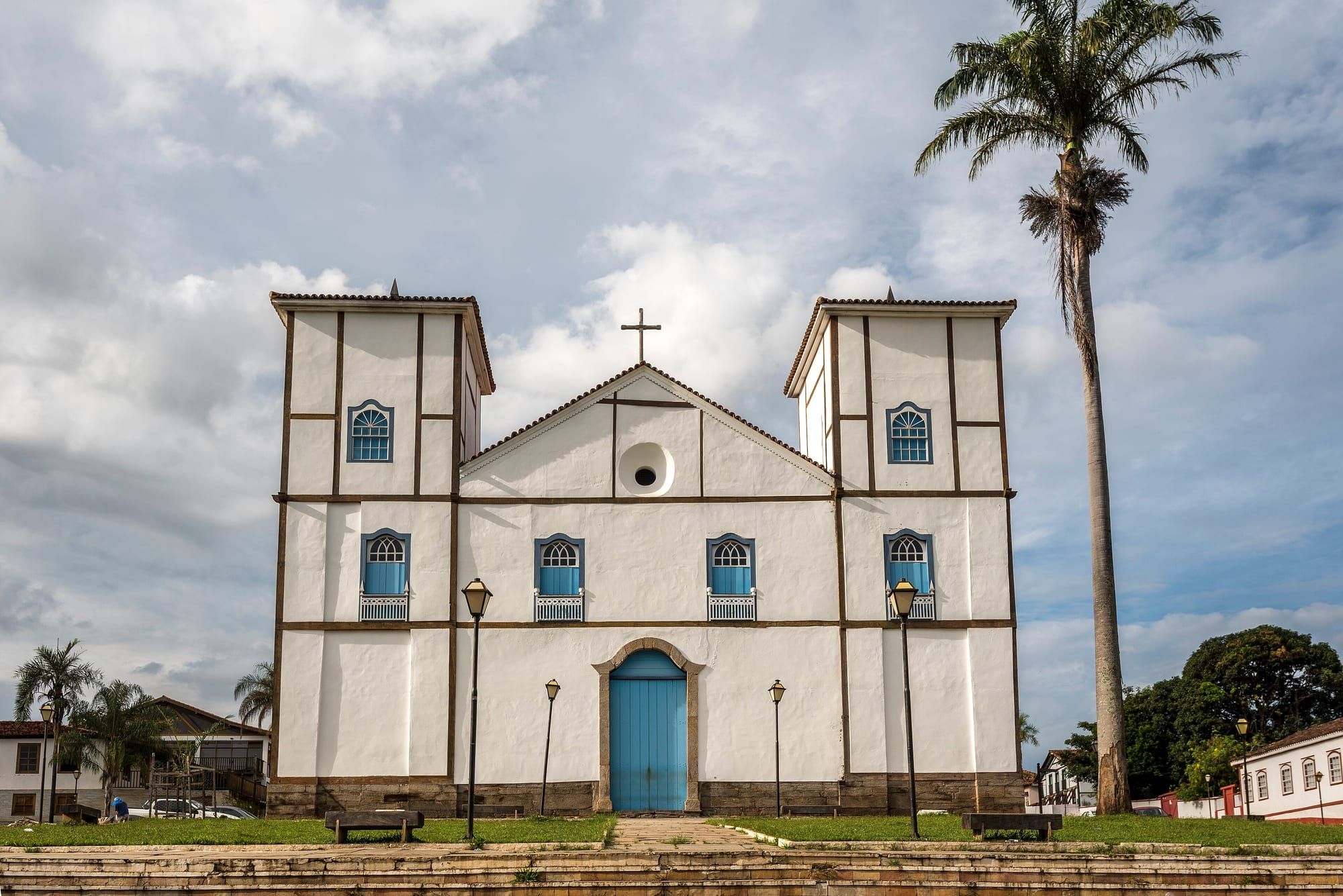
The Igreja Matriz de Nossa Senhora do Rosário (Mother Church of Our Lady of the Rosary) is the main symbol of Pirenópolis and the reference point of the historic centre. According to the City Hall’s Tourism Portal, construction began between 1728 and 1732, in the first years of the Meia Ponte settlement, and the municipal government describes it as the first and largest religious building in the state of Goiás.
History in brief
- The settlement’s beginnings: the church was born together with the gold-mining village founded in 1727.
- 1941: it was listed by Iphan, Brazil’s national heritage institute — according to ipatrimonio, it was the first listed property in Brazil’s Central-West region.
- 2002: on 5 September, a fire destroyed much of the interior, according to the City Hall.
- 2003 to 2006: restoration began in 2003, with an “Open Worksite” (Canteiro Aberto) exhibition in 2004 showing the work to the public. The church reopened in 2006, with support from BNDES (Brazil’s national development bank), according to sources from the restoration project.
The story of the rebuilding is part of the town’s memory: many residents followed the recovery of a church that sat at the heart of religious life and local festivals.
What to look for
The church dominates Praça da Matriz (Mother Church Square) and is the first landmark many people see when they arrive in the centre. During your visit, notice:
- how the church sits at the top of the square, shaping the layout of the surrounding streets;
- the contrast between the simple façade and the interior, restored after the fire;
- its role in the festivals: the Mother Church is central to celebrations such as the Festa do Divino.
How to fit it into your itinerary
The Mother Church stands on Praça da Matriz, in the heart of the historic centre. A visit takes 30 minutes to an hour. A practical sequence is:
- Mother Church and Praça da Matriz;
- Rua Direita and its old houses;
- the bridge over the Rio das Almas and the Museu do Divino;
- the Carmo Church and Museum of Sacred Art.
Since it is an indoor visit, it works well on rainy days.
Entrance fee
The City Hall’s official listing mentions a token entrance fee for tourist visits. The checked price is in the table below; it may change without notice.
Respecting a place of worship
The Mother Church is an active church. Avoid visiting during Mass, keep your voice down, dress appropriately and follow any rules on photography. During festivals, religious services take priority and tourist visits may change.
Practical tips
- Tourist visits have set days and hours and may be suspended during Mass and celebrations; check beforehand.
- The City Hall reports a token entrance fee; bring small change or check the payment options on site.
- Combine your visit with Rua Direita and the Rio das Almas bridge, just a few minutes' walk away.
Frequently asked questions
Is the Mother Church of Pirenópolis open to visitors?
Yes, on set days and at set hours, which may change on religious holidays. The City Hall's listing mentions a token entrance fee. Confirm on site or on the City Hall website before you go.
What happened to the Mother Church in 2002?
On 5 September 2002 the church was hit by a fire that destroyed much of its interior. Restoration work began in 2003 and the church reopened to the public in 2006.
When was the Mother Church listed as heritage?
The church was listed by Iphan, Brazil's national heritage institute, in 1941, according to the City Hall. It is also part of Pirenópolis's historic ensemble, protected since the late 1980s.
Combine with
-
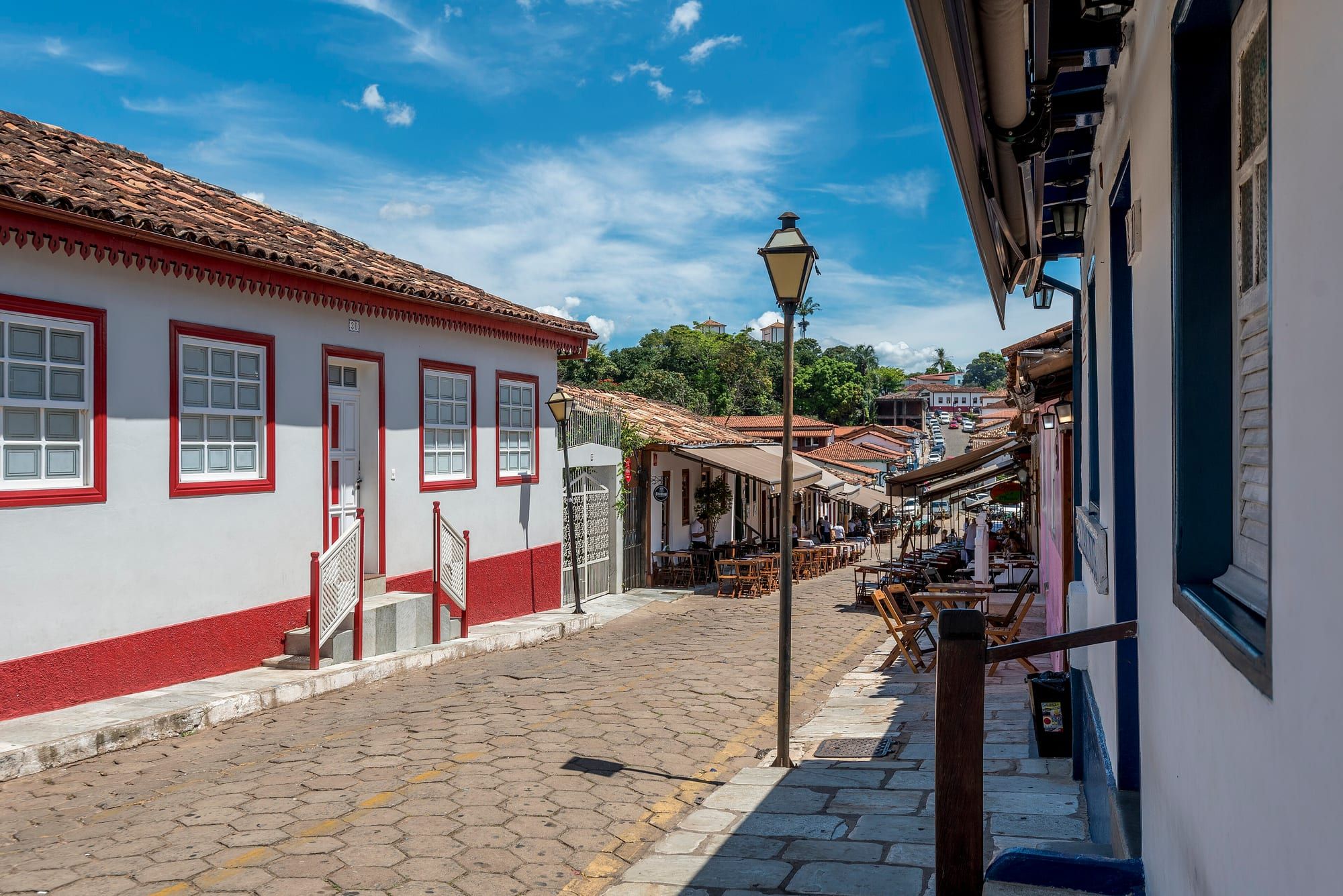 Free Historic centre Historic centre of Pirenópolis The heart of old Meia Ponte: stone streets, colonial houses, 18th-century churches and the evening buzz of Rua do Rosário. See details
-
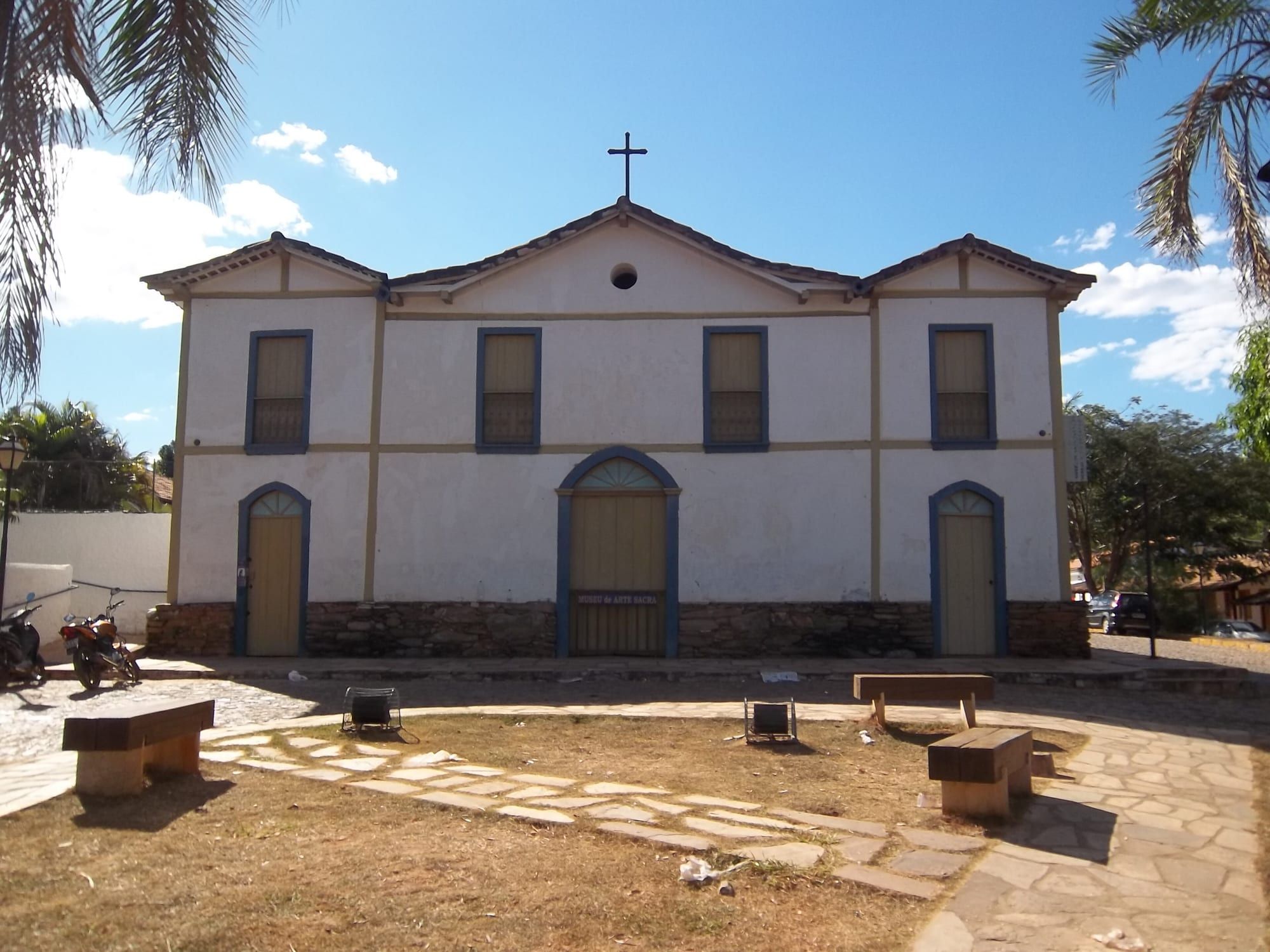 PaidIndoor Historic centre Church of Our Lady of Mount Carmel and Museum of Sacred Art An 18th-century church in the Carmo neighbourhood that houses the town's Museum of Sacred Art. See details
-
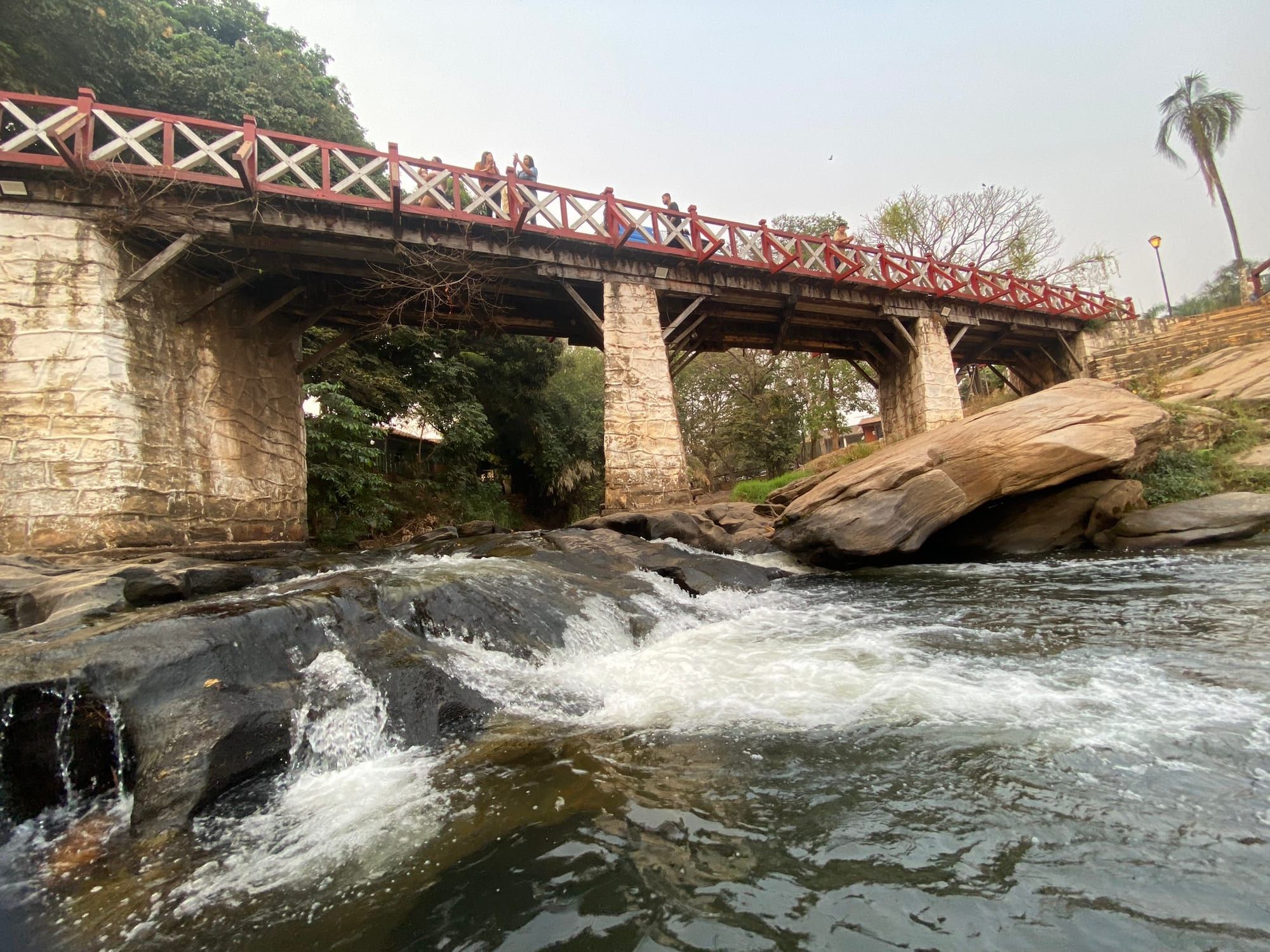 PaidIndoor Historic centre Museu do Divino (Casa de Câmara e Cadeia) In the old town council and jail building next to the Rio das Almas bridge, a museum devoted to the town's most famous festival. See details